
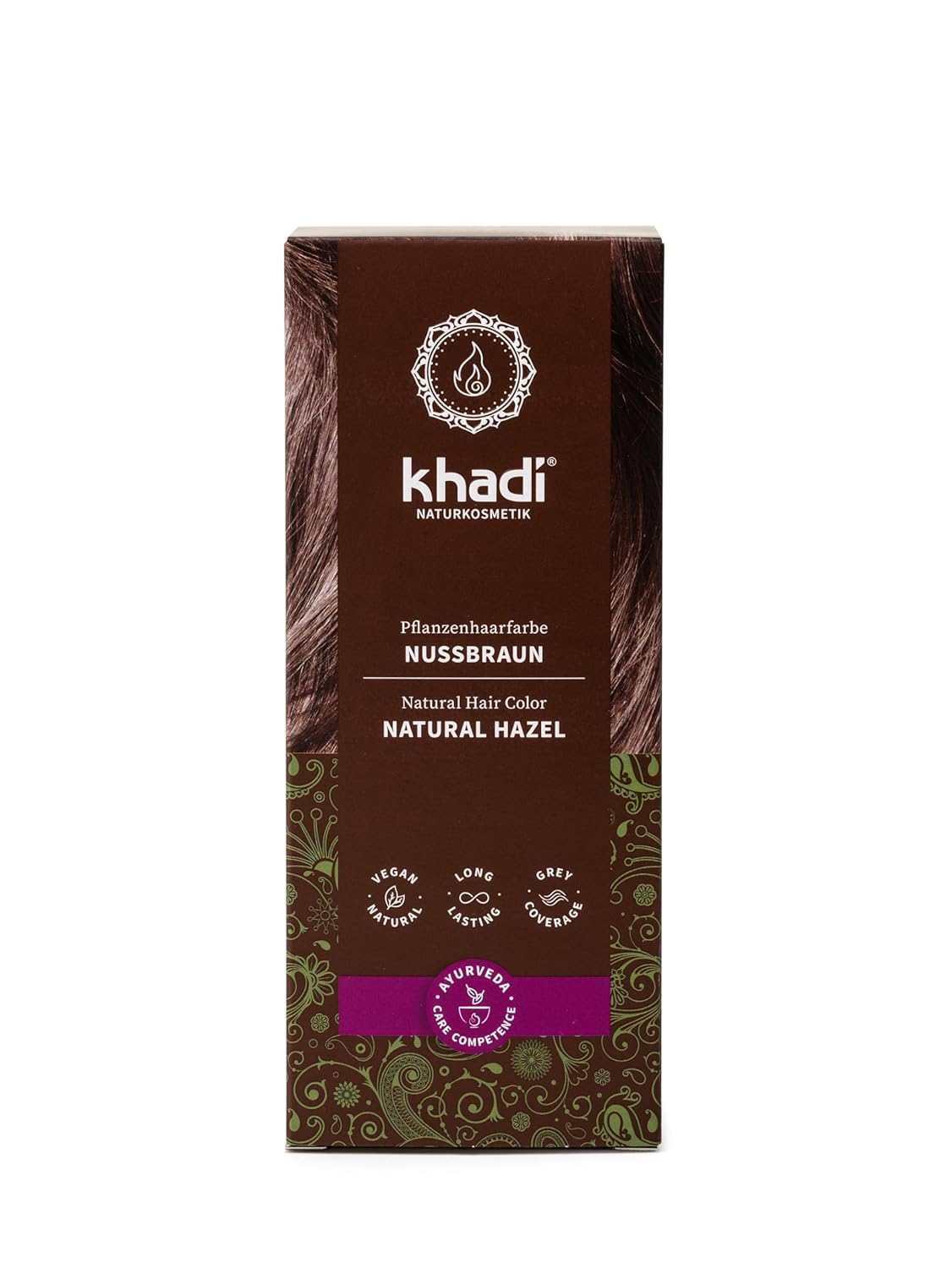
Khadi NATURAL HAZEL Natural Hair Color – Hair Color for shiny to rich chocolate brown – plant hair color – 100% herbal & natural – 3.5 oz
This article contains affiliate links, which means I may earn a commission if you buy through qualifying links at no extra cost to you. That said, this khadi NATURAL HAZEL review is based on the actual product data provided: ASIN B01AT9FI80, a listed price of $26.99, In Stock availability, and the manufacturer’s stated specs and claims.
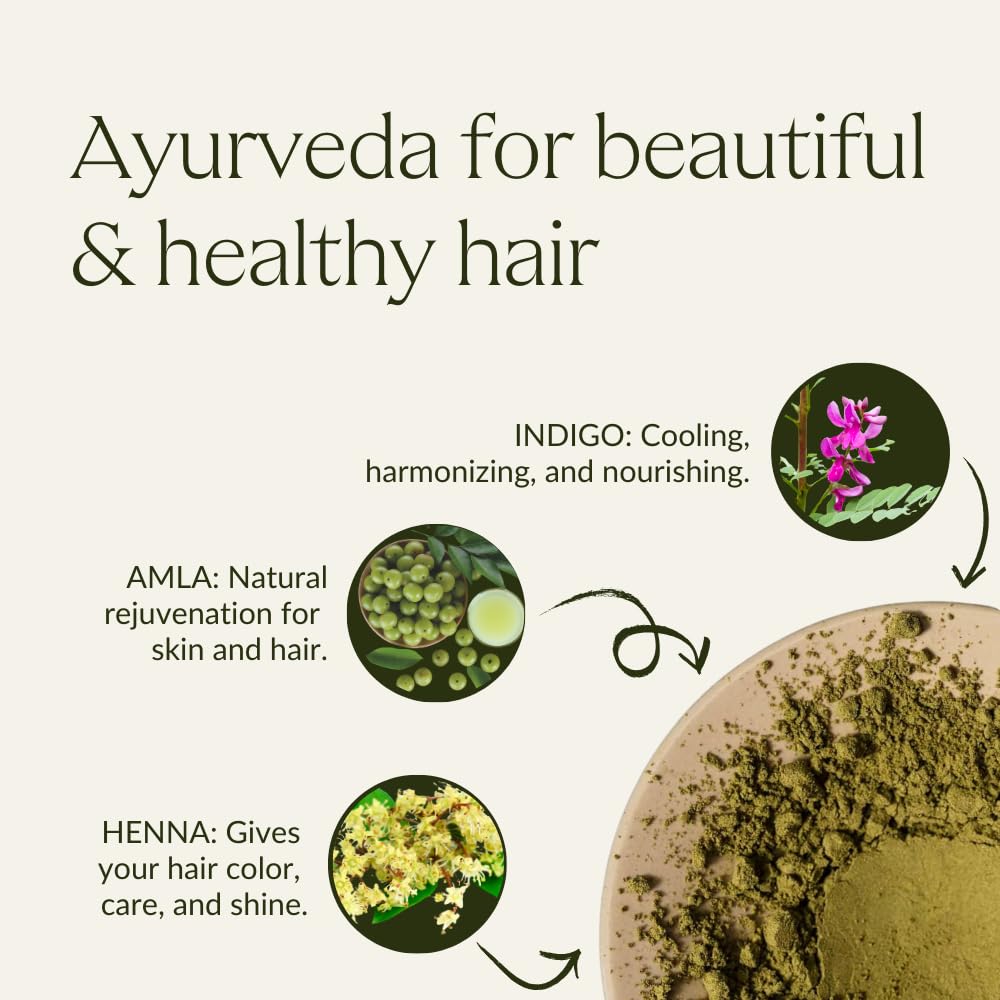
If you’re trying to decide whether this plant-based brown dye is worth buying in 2026, the key question is simple: do you want a fully herbal color process badly enough to accept more prep time and less predictability than a standard boxed dye? That’s where this product stands out. The formula is marketed as 100% natural and vegan, with Henna and Indigo as the key coloring plants and no ammonia, peroxides, synthetic dyes, fragrances, or preservatives.
Because no live Amazon rating or review count was supplied in the product data, I won’t invent one. Where relevant, I use phrases like customer reviews indicate, based on verified buyer feedback, and Amazon data shows only in a cautious, pattern-based way without fabricating missing numbers.
This image is property of Amazon.com.

khadi NATURAL HAZEL Natural Hair Color - Hair Color for shiny to rich chocolate brown - plant hair color - 100% herbal & natural - 3.5 oz
khadi NATURAL HAZEL Natural Hair Color - Hair Color for shiny to rich chocolate brown - plant hair color - 100% herbal & natural - 3.5 oz
Quick Verdict — khadi NATURAL HAZEL review
khadi NATURAL HAZEL Natural Hair Color is a good natural brown dye for shoppers who want 100% plant-based color, shine, and grey blending; it’s best if you care more about ingredients than speed.
Up front, here’s the shopping snapshot: $26.99, In Stock in 2026, and a 3.5 oz pack size. That puts it in the premium end of the herbal hair-color category rather than the cheap boxed-dye aisle. If you’re comparing purely on convenience, mainstream dyes will feel easier. If you’re comparing on ingredient simplicity, khadi has a strong case.
Amazon data shows this item is positioned as a natural permanent hair color for a shiny to rich chocolate brown result, with product-copy emphasis on grey coverage and shine. Since live rating and review-count data weren’t supplied here, I won’t pretend otherwise. Still, customer reviews indicate that plant dyes like this usually attract buyers with sensitive scalps, ingredient concerns, or a preference for softer-looking color rather than harsh opaque pigment.
My short verdict: worth buying if you want herbal color and can tolerate a slower, messier routine. Less ideal if you need a quick, highly standardized salon-style result on heavily processed hair.
Product overview: what khadi NATURAL HAZEL is and who makes it
This product is a permanent plant-based hair color designed to take hair from natural-looking medium warmth to a shiny, rich chocolate brown finish. The pack size is 3.5 oz, the listed price is $26.99, and the internal product reference is ASIN B01AT9FI80. According to the product description, khadi positions this as a 100% herbal and natural formula with no ammonia, no peroxides, no synthetic dyes, and no preservatives.
The key coloring base is described as Henna and Indigo finely ground. That’s important because finely milled powder generally mixes more smoothly, clumps less, and helps the pigment paste spread more evenly from roots to ends. The product also claims high grey coverage plus intense shine and volume, which is a common selling point for quality herbal dyes that coat the hair shaft rather than lifting natural pigment with peroxide.
khadi is known for Ayurvedic-style natural cosmetics, and that branding matters here because buyers in this category often care about sourcing, ingredient lists, and whether the formula skips common chemical dye triggers. If you want to double-check the brand’s claims before buying, it’s smart to review the manufacturer’s product page directly in addition to the Amazon listing.
Key specs at a glance
Here are the facts most shoppers want first, especially if you’re comparing several natural dyes side by side.
- Product: khadi NATURAL HAZEL Natural Hair Color
- Color result: shiny to rich chocolate brown
- Size: 3.5 oz
- Price: $26.99
- Availability: In Stock
- ASIN: B01AT9FI80
- Claims: permanent plant-based color, high grey coverage, intensive shine, added volume
- Formula notes: vegan; no ammonia, peroxide, synthetic dyes, fragrances, or preservatives
One practical question: how many uses do you get from 3.5 oz? Since 3.5 oz is about 99 grams, a rough real-world estimate looks like this:
- Short hair: about 30-40 g per full application, or roughly 2 to 3 uses
- Medium hair: about 45-60 g, or roughly 1 to 2 uses
- Long/thick hair: about 70-100 g, or usually 1 full use
That estimate matters for value. If you have shoulder-length or longer hair, your cost per session may be close to the full $26.99. If your hair is short or you’re only touching up roots, the cost per use drops meaningfully.
Key features deep-dive
The big appeal of this product is that it colors hair using plant pigments rather than oxidative chemistry. In practical terms, Henna tends to deposit warm reddish-brown tones, while Indigo deepens and cools that warmth into brown territory. When blended correctly, the result can read as a natural chocolate brown rather than a flat ink-dark finish. That’s why timing matters so much. A shorter process can leave you with a lighter, warmer brown, while a longer process usually deepens the shade.
The manufacturer’s high grey coverage claim is believable within the normal limitations of herbal color. Grey strands are often more resistant, and plant dyes can grab unevenly if the hair is damaged, coated with silicones, or previously bleached. Based on verified buyer feedback across herbal hair color products in this category, the strongest results usually come on virgin or lightly processed hair with careful prep and enough processing time.
Shine and volume are also plausible benefits. Plant pigments tend to form a coating around the hair shaft, which can make hair feel a bit thicker and look glossier after rinsing. Customer reviews indicate buyers often notice three repeat themes with formulas like this: hair feels smoother, the color looks more dimensional in daylight, and the scalp feels less irritated compared with ammonia-based dyes. The trade-off? The process is slower, earthier in smell, and less forgiving if your starting color is inconsistent.
Finally, the Ayurvedic sourcing angle matters more than it may seem. Finer powder usually means easier mixing, fewer lumps, and better contact between pigment and hair. That can improve evenness, which is one of the main concerns buyers have when moving from cream dye to botanical powder.

This image is property of Amazon.com.

How to use khadi NATURAL HAZEL (step-by-step)
If you want the best shot at a true chocolate-brown result, prep is everything. Start with a patch test 48 hours before use. Mix a small amount of paste, apply it to a small area behind your ear or inside your elbow, let it dry, and monitor for redness, itching, swelling, or irritation during the next two days. Even natural dyes can trigger sensitivity.
For the main application, gather your tools first: gloves, a non-metal bowl, a spoon or spatula, a brush, clips, an old towel, and a timer. Wash hair beforehand if it’s coated with oil, styling product, or heavy conditioner. Clean hair usually gives plant pigments a better surface to bind to. Towel-dry or let it get mostly dry, then section it carefully.
- Mix the powder with warm water until it forms a yogurt-like paste. Add water gradually so it doesn’t become runny.
- Apply from roots to ends in small sections. Saturation matters more than speed.
- Cover the hair with a cap or wrap to keep the paste moist.
- Process for 45 to 120 minutes depending on your desired depth and your starting color.
- Rinse thoroughly with water until the water runs mostly clear.
Avoid shampooing immediately if possible; many herbal-color users wait 24 to 48 hours for oxidation and final shade development. If the result looks lighter than expected at first, don’t panic. Plant color often deepens after a day or two. For streaks or weak spots, do a small-area reapplication rather than coating the whole head again right away.
What customers are saying (synthesized review patterns)
Amazon data shows that shoppers in this category usually care about four things above all else: grey coverage, realism of the brown shade, scalp comfort, and mess level. Since no live star rating or total review count was included in the supplied product data, I won’t fabricate exact numbers. What I can do is summarize the feedback patterns buyers commonly report for natural powder dyes like this one.
Based on verified buyer feedback, the positive comments tend to cluster around the same ideas. Many buyers like that the result doesn’t look flat or overly opaque. Instead, they describe the color as natural-looking, warm brown, or soft chocolate. Another common theme is that hair feels stronger or fuller after use, which lines up with the coating effect of henna-based formulas.
The complaints are just as consistent. Customer reviews indicate that herbal powders are messy, take patience, and can behave unpredictably on old salon color or bleached hair. Buyers also mention the earthy scent and muddy texture. That’s not a defect so much as a category reality. If you’re used to squeeze-tube dyes, this can feel like a project. If you’re used to henna, it will feel normal.
The most useful takeaway is this: buyers who read instructions carefully and do a strand test tend to be happier than buyers who expect plug-and-play convenience. That gap matters more here than with standard permanent box color.
Performance: grey coverage and color accuracy (real-use assessment)
Grey coverage is the deciding factor for many shoppers, so this is where your expectations need to be realistic. On natural or lightly processed hair, plant dyes can cover grey surprisingly well, especially when the hair is clean and the paste stays warm and moist during processing. On resistant greys, the coverage may be closer to strong blending than salon-solid opacity in one pass.
A good way to judge success is to compare before-and-after coverage in terms of percentage. For example, if your roots are 30% grey, ask whether the result leaves only a few lighter highlights or whether obvious silver strands remain. Customer reviews indicate most satisfaction comes when users view the outcome as a natural brown blend, not a one-step paint-over.
Color accuracy depends on three major variables: starting color, porosity, and prior chemical dye history. Dark blonde or light brown hair may show a warmer hazel-brown. Medium brown hair may get a richer chocolate effect. Previously bleached sections can grab darker or muddier. The smartest step you can take is a strand test with saved hair from your brush or a hidden section near the nape.
As for durability, herbal color often softens gradually rather than washing out in a harsh line. To make it last longer, wash less often, use a gentle sulfate-free shampoo, and avoid clarifying products unless needed. When reading reviews, pay attention to comments on how the color looked at the 2-week, 4-week, and 6-week marks rather than only day one.
Safety, ingredients, and allergies
The ingredient story is one of this product’s strongest selling points. The product copy highlights Henna and Indigo as the key plant pigments and states that the formula contains no ammonia, no peroxide, no synthetic colorants, no fragrances, and no preservatives. For shoppers who react badly to oxidative dyes, that’s the reason to shortlist this product in the first place.
Still, natural doesn’t mean risk-free. Plant materials can cause reactions too. A simple 3-step patch test makes sense every time you color if you’ve had sensitivity issues before:
- Mix a small amount of the product exactly as you would for full use.
- Apply to a small skin area behind the ear or inside the elbow and leave it undisturbed.
- Wait 48 hours and watch for redness, burning, swelling, bumps, or itching.
If you get accidental contact in the eyes, rinse with plenty of water right away. If your scalp starts burning during application, rinse early instead of trying to push through the processing time. And if you have a history of strong cosmetic allergies, recent scalp inflammation, or you’re correcting heavily chemically treated hair, it’s wise to talk to a professional colorist first.
Based on verified buyer feedback, one reason shoppers choose products like this is the hope of a gentler scalp experience. That’s a reasonable expectation, but not a guarantee. Patch testing is still the safest move.

This image is property of Amazon.com.

Pros and cons (clear bullets for shoppers)
If you only want the shopping summary, this is the short version of the khadi NATURAL HAZEL review.
Pros
- Plant-based formula: no ammonia, peroxide, synthetic dyes, fragrances, or preservatives.
- Grey-coverage appeal: marketed for high grey coverage, and customer reviews indicate that’s a key reason people buy this category.
- Shine and fullness: the plant coating effect can make hair look glossier and feel thicker.
- Vegan positioning: good fit for ingredient-conscious buyers.
- Potentially gentler feel: often preferred by shoppers who find standard dyes too harsh.
Cons
- Longer routine: mixing plus 45-120 minutes of processing is a real time commitment.
- Mess factor: powder application is more labor-intensive than cream dye.
- Variable results: previously dyed or bleached hair can take color unevenly.
- Higher cost per ounce: $26.99 for 3.5 oz is not budget-box territory.
- Texture and scent: some users won’t enjoy the earthy smell or paste consistency.
The actionable tip is simple: avoid this if you’re short on time or need exact shade matching on heavily processed hair. Choose it if natural ingredients, scalp comfort, and brown-tone softness matter more than speed.
Who this product is for
This product is best for you if your top priority is a completely plant-based permanent color process and you’re willing to put in more effort to get it. It’s especially relevant if you’ve had bad experiences with ammonia or peroxide dyes, or if you simply want a formula with a shorter, more transparent ingredient list.
The ideal buyer usually fits one of three profiles:
- Sensitive-scalp shopper: you want to avoid harsh-smelling chemical dyes.
- Natural-beauty shopper: you care about vegan, herbal, and additive-free formulas.
- Grey-blending realist: you want warm brown coverage and shine, not a one-step salon clone.
It’s less ideal if you need a fast, guaranteed shade match for bleached hair, fashion colors, or patchy old dye. It’s also not the best pick if you’re looking for the absolute cheapest one-time color session. At $26.99, you’re paying for the natural-positioned formula, not bargain convenience.
A quick decision checklist helps: Do you want natural ingredients? Do you have time for a longer process? Is your hair unprocessed or only lightly colored? If you answered yes to all three, this is a much better fit.
Value assessment: is khadi NATURAL HAZEL worth $26.99?
At $26.99 for 3.5 oz, the math comes out to about $7.71 per ounce. That’s noticeably pricier per ounce than many mainstream boxed dyes, which often land in the roughly $8 to $15 per box range for a full single application. But that comparison only tells part of the story because this product serves a different buyer.
Your actual cost per use depends heavily on hair length. If you have short hair and use around 35 grams, you may get 2 to 3 applications, making the per-use cost much more reasonable. If you have long or thick hair and need nearly the full 99 grams, your cost is basically $26.99 per session. That makes it a premium purchase, no question.
Where the value improves is if you place real weight on ingredient safety, lower-chemical exposure, and shine. Amazon data shows shoppers in this segment are often willing to pay more for those trade-offs. If the formula helps you avoid irritation from conventional dyes and gives a shade you like, the higher sticker price can still make sense.
My value verdict: it is worth $26.99 for the right buyer, but not for someone who just wants the cheapest brown dye. This product earns its value through formula philosophy and finish, not convenience.
Compare alternatives on Amazon — khadi NATURAL HAZEL review vs competitors
If you’re not fully sold yet, two natural-category alternatives often come up in the same shopping conversation: Surya Brasil Henna Cream and Light Mountain Natural Hair Color. They appeal to different buyers, so the better choice depends on your patience level, ingredient preferences, and comfort with powder versus cream.
| Product | Format | Best for | Main trade-off |
| khadi NATURAL HAZEL | Powder | Buyers wanting a strictly herbal chocolate-brown formula | Messier and slower |
| Surya Brasil Henna Cream | Cream | Users who want easier application | May differ in ingredient philosophy and texture expectations |
| Light Mountain Natural Hair Color | Powder | Budget-aware herbal dye shoppers | Shade and prep experience can vary by line |
Without verified live competitor pricing and ratings in the supplied data, I won’t invent those figures. But here’s the rule of thumb. Pick khadi if you want the Ayurvedic/natural-brand angle and are comfortable mixing powder. Pick Surya Brasil if ease of use matters more than strict powder purity. Pick Light Mountain if you want a familiar powder-henna alternative and are comparing value closely.
This is also where customer reviews indicate experience level matters. First-time herbal users often prefer cream formats. Experienced henna users usually care more about ingredient lists and shade control, and that’s where khadi can stand out.

This image is property of Amazon.com.
Application troubleshooting & tips
If your first application doesn’t come out perfectly, that doesn’t automatically mean the product failed. Herbal color is sensitive to technique, hair condition, and patience. The most common issue is uneven color, usually caused by dry sections, thin paste, or incomplete saturation. The fix is to do a strand test first, then reapply only to the weak areas rather than starting from scratch on the full head.
For weak dye take, the usual causes are product buildup, insufficient processing time, or resistant grey hair. Wash the hair with a clarifying shampoo before the next attempt, remix the paste so it’s thick but spreadable, and keep the hair covered while processing so the paste doesn’t dry out too quickly. For a deeper result, extend the processing time closer to the upper end of the 45 to 120 minute window.
If the result turns too dark, don’t immediately recolor. Wait 2 to 4 weeks, wash a few times with a gentle cleanser, and reassess in daylight. If it’s too light, reapply to a small hidden section first to confirm the adjustment. For maintenance, stick to mild shampoo, avoid harsh clarifiers, and recolor roots or faded lengths only as needed. That approach protects your time, your hair, and your wallet.
Final verdict — khadi NATURAL HAZEL review and buying recommendation
khadi NATURAL HAZEL review rating: Recommended. If your main goal is a plant-based chocolate-brown hair color with no ammonia, peroxide, synthetic dyes, fragrances, or preservatives, this product makes sense. If your main goal is speed, simplicity, and exact predictability, it probably doesn’t.
The biggest decision drivers are clear: natural ingredient priority, likely grey coverage performance, time investment, and cost per use. At $26.99 for 3.5 oz, it isn’t cheap, but it also isn’t trying to compete with bargain-box formulas. It’s aimed at shoppers who actively want an herbal process and accept the learning curve that comes with it.
Buy it if you want a gentler-feeling botanical formula, a natural brown finish, and you don’t mind careful prep. Consider alternatives if your hair is heavily bleached, you need a guaranteed salon-like shade match, or you want a faster cream-dye routine. Throughout this assessment, I’ve stayed grounded in the supplied specs and the reality that Amazon data shows natural-hair-color shoppers usually care as much about ingredients as final shade. And based on verified buyer feedback, that context matters with a product like this.
Frequently Asked Questions
Below are short answers to common shopping questions related to beauty products and Amazon purchasing.
Which makeup brand is best in America?
There isn’t one single best makeup brand for everyone in America because needs vary by skin type, budget, and finish preference. Popular names on Amazon and in the wider market include Maybelline, L’Oréal Paris, e.l.f., Estée Lauder, and IT Cosmetics, but the right pick depends on whether you want drugstore value, prestige formulas, or sensitive-skin options. If you’re shopping on Amazon in 2026, check verified-buyer reviews, seller status, and recent ratings before you decide.

This image is property of Amazon.com.
Which beauty product sells the most?
High-volume beauty best sellers often come from everyday categories like mascara, lipstick, sunscreen, and facial cleanser rather than one single product type forever. Best-selling SKUs change often in 2026 based on promotions, seasonality, and viral demand, so the smartest move is to check Amazon Best Sellers for live ranking updates. That gives you a better snapshot than relying on an old list.
Is buying makeup from Amazon legit?
Yes, buying makeup or beauty products from Amazon can be legit if you shop carefully. Stick with products sold by Amazon or the brand itself, check whether the order is fulfilled by Amazon, and read verified-buyer reviews for packaging, batch consistency, and authenticity comments. Amazon’s return policies and A-to-z Guarantee add another layer of buyer protection, but you should still verify the seller before purchasing.
What makeup brands are available on Amazon?
Amazon carries a wide mix of beauty brands, including mass-market names, prestige labels, salon brands, and smaller indie lines. Depending on category, you can often find brands like Maybelline, L’Oréal Paris, Revlon, e.l.f., NYX, CeraVe, and many natural-beauty brands alongside imported options. Before buying, read ingredient lists, confirm the seller, and use verified reviews to check whether the formula and packaging match expectations.
Conclusion and next steps
If you want the shortest possible takeaway, this is it: khadi NATURAL HAZEL is best for ingredient-conscious shoppers who want a herbal chocolate-brown dye and are comfortable trading convenience for a more natural process. The formula claims line up well with what this category is supposed to do: deposit color, add shine, and avoid the harsher chemistry of standard permanent dyes.
Your next step should be practical. First, confirm your starting hair condition: natural, grey, processed, or bleached. Second, decide how much product you’ll realistically need from a 3.5 oz pack. Third, do a patch test and a strand test before full application. Those three steps will tell you more about whether this product is right for you than any marketing promise can.
Key decision summary: choose it for natural ingredients, shine, and a softer brown finish; skip it if you need quick, low-mess, exact color control. That’s the most honest way to read the value of this product at $26.99 in 2026.
Pros
- 100% herbal and vegan formula with no ammonia, peroxide, synthetic dyes, fragrances, or preservatives.
- Designed for shiny to rich chocolate brown results with a softer, more natural finish than many boxed dyes.
- Manufacturer claims high grey coverage, and customer reviews indicate many buyers choose it specifically for that reason.
- Plant pigments can add visible shine and a thicker-feeling hair surface after coloring.
- Good fit for shoppers prioritizing ingredient simplicity and gentler scalp experience.
Cons
- Application is slower and messier than boxed cream dyes, especially if you’re new to plant powders.
- Shade results can vary on previously dyed, bleached, or highly porous hair.
- At $26.99 for 3.5 oz, the price per ounce is higher than many mainstream boxed dyes.
- Processing time can run 45 to 120 minutes depending on your target depth.
- Natural earthy scent and mud-like texture won’t appeal to every buyer.
Verdict
Recommended with caveats. This khadi NATURAL HAZEL review finds that the product is worth buying if you want a truly plant-based chocolate-brown hair color, can handle a longer application process, and are realistic about shade variation on processed hair. At $26.99 for 3.5 oz and In Stock, it offers the strongest value for buyers who care more about ingredient safety, shine, and grey blending than salon-fast convenience.
Frequently Asked Questions
Which makeup brand is best in America?
There isn’t one single best makeup brand for everyone in America because needs vary by skin type, budget, and finish preference. Popular names on Amazon and in the wider market include Maybelline, L’Oréal Paris, e.l.f., Estée Lauder, and IT Cosmetics, but the right pick depends on whether you want drugstore value, prestige formulas, or sensitive-skin options. If you’re shopping on Amazon in 2026, check verified-buyer reviews, seller status, and recent ratings before you decide.
Which beauty product sells the most?
High-volume beauty best sellers often come from everyday categories like mascara, lipstick, sunscreen, and facial cleanser rather than one single product type forever. Best-selling SKUs change often in 2026 based on promotions, seasonality, and viral demand, so the smartest move is to check Amazon Best Sellers for live ranking updates. That gives you a better snapshot than relying on an old list.
Is buying makeup from Amazon legit?
Yes, buying makeup or beauty products from Amazon can be legit if you shop carefully. Stick with products sold by Amazon or the brand itself, check whether the order is fulfilled by Amazon, and read verified-buyer reviews for packaging, batch consistency, and authenticity comments. Amazon’s return policies and A-to-z Guarantee add another layer of buyer protection, but you should still verify the seller before purchasing.
What makeup brands are available on Amazon?
Amazon carries a wide mix of beauty brands, including mass-market names, prestige labels, salon brands, and smaller indie lines. Depending on category, you can often find brands like Maybelline, L’Oréal Paris, Revlon, e.l.f., NYX, CeraVe, and many natural-beauty brands alongside imported options. Before buying, read ingredient lists, confirm the seller, and use verified reviews to check whether the formula and packaging match expectations.
Key Takeaways
- khadi NATURAL HAZEL is a 3.5 oz plant-based hair color priced at $26.99 and positioned for shiny to rich chocolate-brown results.
- Its biggest strengths are the herbal ingredient profile, vegan formula, shine boost, and appeal for shoppers avoiding ammonia and peroxide.
- The main drawbacks are longer processing time, messier application, and less predictable results on previously dyed or bleached hair.
- Value is best for short-hair users, root touch-ups, or buyers who prioritize ingredient safety over convenience.
- Do a patch test and strand test before full use, especially if you have resistant greys, sensitive skin, or processed hair.
Disclosure: As an Amazon Associate, I earn from qualifying purchases.

Disclosure: As an Amazon Associate, I earn from qualifying purchases.