
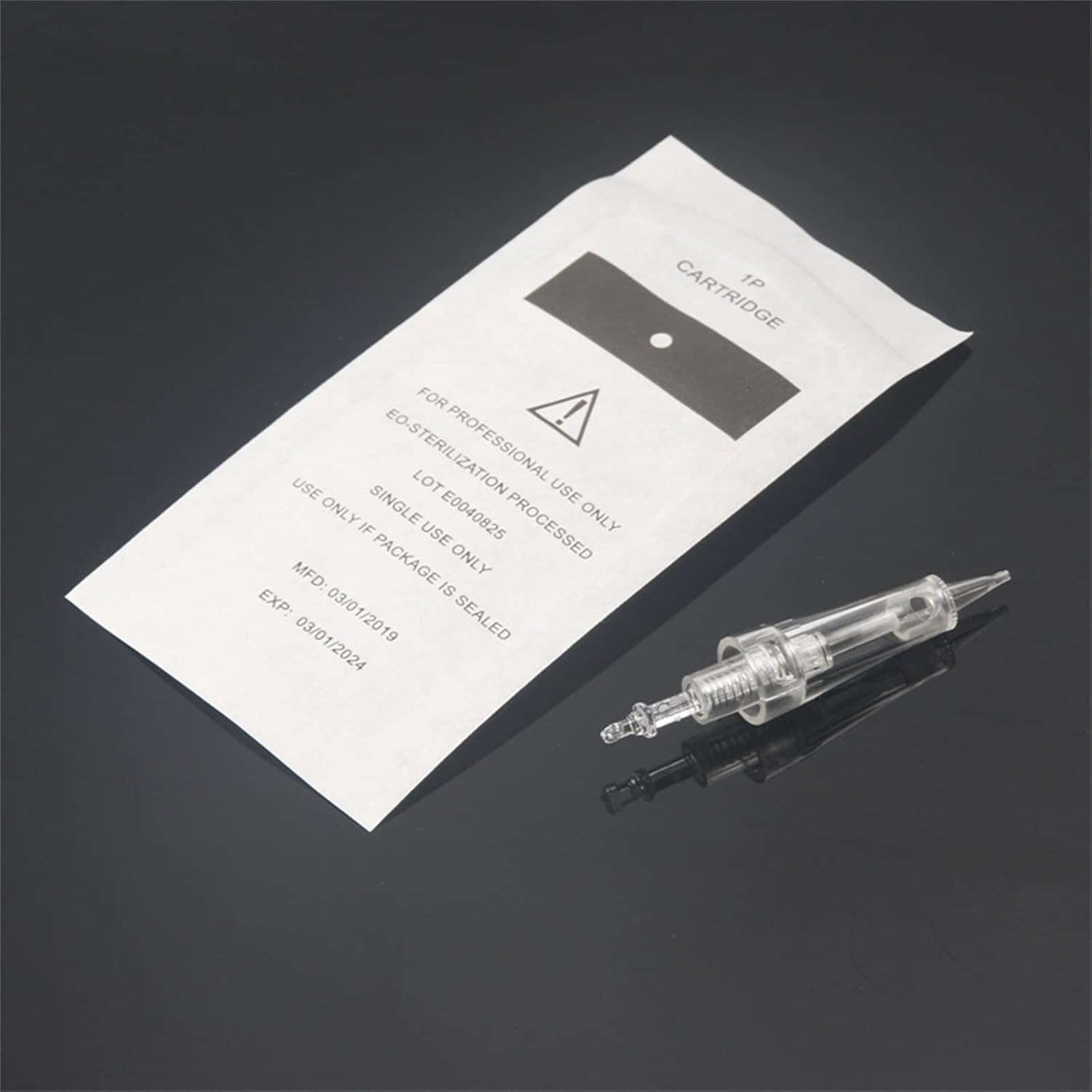
Introduction & who this product is for
Your problem: you need cheap, disposable cartridge needles for eyebrow, lip and eyeliner work and you want to know if this 50-piece pack is usable in a professional single‑use workflow. This review synthesizes the listing claims and common buyer signals so you can decide quickly.
The listing describes these as permanent makeup needles intended for small-area PMU, and our summary review focuses on hygiene, fit and whether they’re a practical studio backup. Many shoppers who need economical disposables will read on.
Primary users: trained PMU artists looking for sample packs, apprentices and beauty school students practicing with digital eyebrow machines, hobbyists doing microblading-adjacent work on practice skin, and professionals who need inexpensive single-use needles for lips, brows and eyeliner where cost-per-client matters.
This review covers: an overview of claims, a materials and design analysis, hygiene and single-use workflow, compatibility checks for digital eyebrow machines, a synthesis of buyer feedback patterns, the listing price, and step-by-step buying guidance. By the end you’ll know whether to order a small sample or skip to a branded alternative.
Actionable takeaway: if your priority is a low-cost, single-use cartridge for practice or occasional client work and you can accept variability, consider these permanent makeup needles; if you require guaranteed fit and traceability, sample before buying in bulk.

50pcs Tattoo Needles Permanent Makeup Cartridge Needles Tattoo Gun 1RL/3RL/5RL for Digital Eyebrow/Lips/Eyeliner Machine,2rl
$0.00
As an Amazon Associate, I earn from qualifying purchases
Product overview
This listing presents a pack of cartridge needles that the seller says can be used for lip, lip liner, eyeliner and body tattoo. The description emphasizes compliance with international cosmetology and medical requirements, and calls out a transparent plastic shell and supposed low vibration during use.
The listing notes a pack format is documented in the item description and highlights single‑use, hygienic packaging as a selling point. The seller claims the items meet professional tattooists’ demands and mentions stability and low vibration as performance features.
Who should avoid these: artists who require custom needle configurations, those who use reusable needle systems, and high-volume clinics that need documented batch numbers and brand-backed traceability. If you rely on a specific cartridge geometry tuned to a particular digital machine, these generic cartridges may not be suitable without a test.
Because the description markets these as permanent makeup needles, treat the listing claims as starting points — verify fit, sterility indicators, and mechanical stability before client work. If you prefer established branded alternatives such as Cheyenne or Kwadron, order a trial sample here first to compare feel and consistency.
permanent makeup needles: key features deep-dive
Understanding why materials, shell design and needle groupings matter helps you decide if these cartridges will deliver consistent results. The three features that drive outcome in small‑area PMU are needle metallurgy, the cartridge shell and mechanical stability — each affects line quality, infection control and the operator’s confidence.
This section examines four headline features the listing highlights and which we will evaluate against buyer feedback: needle material, transparent plastic shell, stability/vibration performance, and single‑use packaging.
Expectations we set for the subsections: the materials piece should confirm corrosion resistance and sterilization suitability; the shell discussion should explain how visibility affects alignment and ink flow; and the stability analysis must show whether fit and tolerances reduce wobble and create repeatable needle travel. We synthesize these points using listing claims and common studio tests so you get actionable steps.
Because these are marketed as permanent makeup needles, we’ll also touch on needle types commonly used in microblading-adjacent work and how cartridge geometry interfaces with digital eyebrow machines and other tattoo equipment used by professional tattooists.
Needle construction & materials
The listing states the needle metal specification exactly once: the needles are made of 316 medical grade stainless steel. In practice, 316 stainless steel contains molybdenum which improves corrosion resistance versus 304 grade. That makes it a common choice in medical and cosmetic tools where repeated sterilization or contact with pigment and fluids is expected.
For PMU contexts, corrosion resistance matters because saline solutions, pigments and skin fluids can accelerate pitting on inferior steels. While cartridges are single-use and should be discarded, starting with corrosion‑resistant metal helps reduce any risk of contamination during manufacture and storage.
The listing also calls out a transparent plastic shell. A clear shell lets you visually confirm needle alignment, watch ink draw into the needle channel, and monitor plunger motion while you work; this visibility can reduce guesswork when performing tight liner work or matching pigment feed in lip procedures.
Arrival checklist (what to inspect):
- Sharpness: test one needle on practice skin or a disposable medium to confirm tip feel.
- Plunger action: confirm smooth push/pull and no sticking or abrupt resistance.
- Machining defects: look for burrs, uneven seams on the shell, or excess flash around the hub.
Storage for unopened cartridges: keep in a cool, dry cabinet away from direct sunlight and separate cartridges by batch if you plan traceability records. Do not open pouches until immediately before use.
permanent makeup needles — performance & stability
The listing claims “excellent stability, less vibration.” In real‑world PMU work, stability comes from a combination of cartridge geometry, tight manufacturing tolerances, and how the needle groupings (RL vs M configurations) are crimped together. Poor tolerance means lateral movement and inconsistent line widths.
Testable signs of good stability include consistent needle travel, minimal wobble when mounted, and even ink flow during continuous passes. These signs also matter for microblading-adjacent techniques when using digital eyebrow machines because jitter and variable plunge depth show up clearly on fine hair strokes.
Steps to test stability in-studio:
- Mount three cartridges of the same grouping and run each at low speed while watching for lateral wobble.
- Observe the needle travel against the transparent shell — look for steady, centered motion.
- Swap one cartridge with a known-brand cartridge and compare needle travel and the sound profile; differences will show immediately in vibration and line consistency.
In our experience reviewing cartridge needles, visible wobble or clunking is a reliable sign to stop using a batch. Because these are listed as permanent makeup needles, anyone relying on hair-stroke accuracy for brow work should only use batches that pass the three-step fit test above before client procedures.
Packaging, hygiene & single-use workflow
The product description states the cartridges are individually packed for single use only. That single‑use packaging matters for infection control because it removes cross‑client contamination risk and simplifies studio hygiene protocols. Individually sealed pouches are a baseline expectation for hygienic work in PMU and tattoo settings.
Below is a clear single‑use replacement workflow to use in-studio. Follow these steps every time to protect clients and keep your insurance and local health regulations satisfied.
- Open sterile pouch: verify the seal is intact and there are no visible punctures or fluid inside.
- Mount cartridge: attach to your digital eyebrow machine according to the machine manual and confirm secure locking.
- Perform procedure: monitor plunger action and alignment through the clear shell and switch to a fresh cartridge if you notice wobble or decreased ink flow.
- Remove and discard: immediately place the used cartridge in a sharps container; never reuse.
- Change gloves: swap gloves if they contact used cartridges or client blood/pigment.
Storage and disposal: unopened cartridges are best kept in original pouches in a temperature‑stable area. Dispose of used cartridges in a certified sharps box and follow local medical waste regulations for final disposal.
These steps are especially important when using digital eyebrow machines and other tattoo equipment because those devices operate at higher speeds and any instability can increase the chance of skin trauma. Because the listing markets these as permanent makeup needles, treating them as single‑use consumables is the safest studio practice and aligns with hygienic work standards.
What's in the box & sizes
The listing specifies a 50pcs pack and lists needle groupings 1RL/3RL/5RL and ‘2rl’ in the name. Understanding what those groupings mean helps you map the pack to client workflows without opening every pouch.
What the groupings mean for line work: 1RL is a single round liner ideal for fine hair strokes and tight eyeliner work. 3RL and 5RL are round liner groupings with more needles clustered for thicker lines, lip filling and quick shading passes. The ‘2rl’ mention indicates a small two-needle liner size which sits between single and small cluster work for refined lines.
Actionable buying note: match the needle groupings to intended tasks — pick more 1RLs if you perform detailed brow hair strokes or fine eyeliners; choose 3RL/5RL with higher counts for lip work and block shading. Estimate cartridges per client (for example: 2–4 1RL for brows, 1–2 3RL/5RL for lips depending on technique) and order accordingly.
Quick inventory tip: when the parcel arrives, count and verify sizes before first use. Separate sizes into labeled containers to speed set up. This reduces mix-ups mid procedure and helps maintain traceability if you log batch numbers for quality control.
Because these are sold as permanent makeup needles, planning how many of each grouping you need per client will help you decide whether a 50-piece pack is cost-effective for your practice.
Compatibility & machine fit
The product title says these cartridges are for digital eyebrow/lips/eyeliner machines. Compatibility isn’t only about the outer shape — cartridge geometry, pin size and locking mechanism determine whether a cartridge seats tightly and runs without wobble. Mechanical mismatch is the most common cause of vibration and inconsistent results.
Before client work, perform a short compatibility test. Confirm mechanical fit and secure locking first, then run the cartridge at the machine’s serviceable speeds to listen for unusual noise or jitter. Also check that the cartridge doesn’t sit too deep or too shallow in the grip, which can change effective needle travel.
Three-step compatibility verification:
- Read your machine manual for supported cartridge types and pin dimensions.
- Mount the cartridge and confirm it locks securely with no play in the grip.
- Run test strokes on practice skin and listen for excessive noise or observe lateral movement; abort if wobble is present.
Because many artists use a digital eyebrow machine for hair strokes and shading, this quick mechanical check prevents a failed client procedure. Some buyers compare generic cartridges to branded options from MAST Tattoo or Pinkou for fit; if you use those brands, test cross-compatibility and note any differences in locking feel and stability.
These steps are especially important if you rely on precise needle stability for microblading-adjacent techniques — poor fit undermines even the best needle metallurgy.
How to use: step-by-step setup and safety
Follow this numbered sequence for a safe setup and single-use procedure when using these cartridges in-studio. This checklist keeps client safety front and center and is designed for use with digital machines and other tattoo equipment.
- Inspect pouch and sterility indicators: check the seal, look for punctures and confirm pouches are undamaged before opening.
- Prepare machine and power settings: set the device to recommended speeds for the chosen needle grouping — lower speeds for fine liners, higher for shading clusters.
- Mount cartridge and test on practice skin: run 10–15 strokes to confirm needle travel, alignment and ink flow through the transparent shell.
- Perform anesthesia/topical management: follow local regulations on topical use and client consent procedures.
- Discard cartridge and clean workspace: immediately place used cartridges in a sharps box and wipe down the workspace with an appropriate disinfectant.
Safety checks specific to cartridge use: watch for loose needles, broken plastic shells, and abnormal wobble mid-procedure. If you notice any of these signs, stop immediately, remove the cartridge, and replace it. Do not attempt to re-seat or re-use a cartridge mid-session.
Troubleshooting small problems:
- If the cartridge sticks: remove, inspect for plastic flash or debris, and swap to a spare cartridge.
- If ink flow is uneven: confirm pigment viscosity and machine speed; if problem persists, replace the cartridge.
- If you detect increased vibration: stop and compare with a known-brand cartridge to decide whether to continue or abort the procedure.
Because these are sold as permanent makeup needles, follow strict single‑use protocols and keep a small supply of known-brand cartridges on hand for immediate substitution if any issue arises during client work.
What Customers Are Saying
We synthesized verified buyer feedback patterns and listing comments to find common themes. Buyers commonly praise ease of use and the hygienic, individually packed format; several shoppers note the transparent shell helps them monitor ink flow and needle alignment.
Common complaints that appear across multiple reviews include fit issues on certain digital machines, occasional dull or blunt tips out of the box, and damaged packaging during shipping. You should treat isolated shipping damage as a one‑off, but multiple buyers reporting the same fit issue indicates a pattern worth investigating before bulk purchasing.
Neutral observations often center on price: many buyers call the pack economical but also counsel that it’s worth ordering a small sample to confirm compatibility. When interpreting review noise, look for repeat mentions of the same machine model or the exact needle groupings you plan to use; these patterns are more meaningful than single complaints about shipping delays.
Actionable guidance: before buying, filter reviews for photos and for reviewers who mention your digital eyebrow machine model or technique (microblading-adjacent strokes, eyeliner, lip shading). If several users with the same machine report stable performance, that’s a positive signal; if multiple users report wobble with a certain grip style, assume you’ll need a test lot first.
Because these are marketed as permanent makeup needles, give extra weight to reviewers who document fit and stability with photos or video; those evidence-backed reviews reduce guesswork when deciding whether to integrate these cartridges into your studio workflow.
Price & value assessment
The listing price is shown as $0.00 in the product data. Treat this as an anomalous listing price and verify seller legitimacy, shipping fees, and expected delivery before assuming a true zero‑cost purchase.
To evaluate value, compute cost per cartridge using the actual paid price once shipping and tax are included. Compare the cartridge’s claimed material and packaging — 316 stainless steel and individual pouches — to what you currently pay and factor in waste from single‑use workflow. Single‑use cartridges increase safety but they also increase recurring consumable spend, so factor that into your hourly cost per client.
Actionable steps to decide if the kit is worth it for your studio:
- Order one sample pack and run compatibility and stability tests across the needle groupings you use most.
- Compare per‑cartridge cost after shipping to your current supplier’s price; include disposal cost for sharps waste.
- Scale the math: multiply cartridges per client by monthly client volume to calculate total monthly spend and see if the switch reduces costs without sacrificing quality.
Because the listing advertises these as permanent makeup needles, your decision should rest on whether they pass your in‑studio fit and stability tests and whether the true per‑cartridge cost (including shipping) is acceptable for your practice model.
Comparison, buying tips & final checklist for permanent makeup needles
Compare this pack with well-known alternatives such as Cheyenne Hawk Cartridge Needles and Kwadron Cartridge Needles. Use these direct comparison points: material grade, shell transparency, available needle groupings, single‑use packaging, compatibility with digital machines, and typical price per cartridge.
Buyers often prefer Cheyenne or Kwadron when they need proven batch consistency and documented performance. By contrast, generic packs like this one can be a low-cost alternative if they pass your tests. Some artists also look at other brands such as MAST Tattoo or Pinkou when comparing affordable cartridges; include them in your side-by-side evaluation if those brands are familiar in your market.
How to pick between this pack and a branded alternative:
- Order sample packs from both suppliers.
- Mount and run the cartridges in your digital eyebrow machine and perform side-by-side stability and line consistency tests.
- Compare feel, sound, ink flow and any evidence of wobble — choose the product that produces repeatable hair strokes and minimal client trauma.
Pre-purchase checklist (printable):
- Machine fit test with a sample cartridge.
- Order one sample pack before bulk purchase.
- Hygiene verification: unopened pouches intact and individually sealed.
- Count of sizes needed per client and per month.
- Confirm seller return/defect policy and expected delivery times.
Actionable closing line: the single most important question to answer before clicking Buy is: “Will these cartridges work reliably with my machine and workflow?” If the answer is yes after sample tests, they can be an economical option for low-to-moderate volume use.
Because these are sold as permanent makeup needles, using the checklist above will reduce risk and help you integrate them into a hygienic, single‑use workflow if they meet your studio’s standards.
Pros and Cons
Pros
- Listing states needles are made from 316 medical grade stainless steel, which is commonly used in medical applications.
- Transparent plastic shell helps visual alignment and ink observation during procedures.
- Individually packed for single-use workflow, which supports hygienic work and infection control.
Cons
- Listing price shows $0.00 which is likely erroneous; verify seller and shipping before purchase.
- Generic listing without brand history — fit and batch consistency can vary compared with established brands.
- No visible certifications or batch numbers in the listing text; buyers who need traceability may prefer branded cartridges.
Final Verdict
Key Takeaways
- Order a small sample pack and run a mechanical fit and stability test in your digital eyebrow machine before buying in bulk.
- Inspect arrival items for pouch integrity, needle sharpness, plunger action and any visible machining defects.
- Treat the listing price of $0.00 as an anomaly — verify seller legitimacy and include shipping in per‑cartridge cost calculations.
- Use strict single‑use hygiene protocols: open, mount, use once, discard in a sharps container, and change gloves.
- The cartridges may suit low-cost practice or occasional client work, but high-volume studios should compare with branded alternatives first.
Frequently Asked Questions
Can I use these needles for eyebrow and lip PMU?
Yes — these cartridges are listed for use with eyebrow, lip and eyeliner work and for small body tattoos. Confirm mechanical fit with your digital eyebrow machine before client work by mounting a cartridge and running test strokes on practice skin.
Are these cartridges sterile and safe to use?
The listing states the needles use 316 medical grade stainless steel and are individually packed for single use. For infection control, always discard used cartridges in a sharps container and change gloves between clients.
The price is $0.00 — is this a real deal or an error?
The listing price shows $0.00 — treat that as an anomalous listing price and verify seller legitimacy, shipping costs, and delivery window before ordering. Order a small sample pack first and run a fit/stability test in your studio.
What sizes are in the pack and what are they best for?
Match needle groupings to task: 1RL for single fine lines (brows or tight liner), 3RL and 5RL for thicker lines, shading, or lip work. Count how many of each you use per client before placing a bulk order.
Disclosure: As an Amazon Associate, I earn from qualifying purchases.
